
If you’ve spent any time exploring wellness trends over the past few years, you’ve probably come across CBD. It’s in oils, gummies, skincare products, drinks—even pet treats. But despite its popularity, a lot of people are still unsure about what CBD actually is, how it works, and whether it’s right for them.
This guide breaks it all down in simple, practical terms—so you can understand CBD not just in theory, but in a way that helps you use it confidently.
What Is CBD?
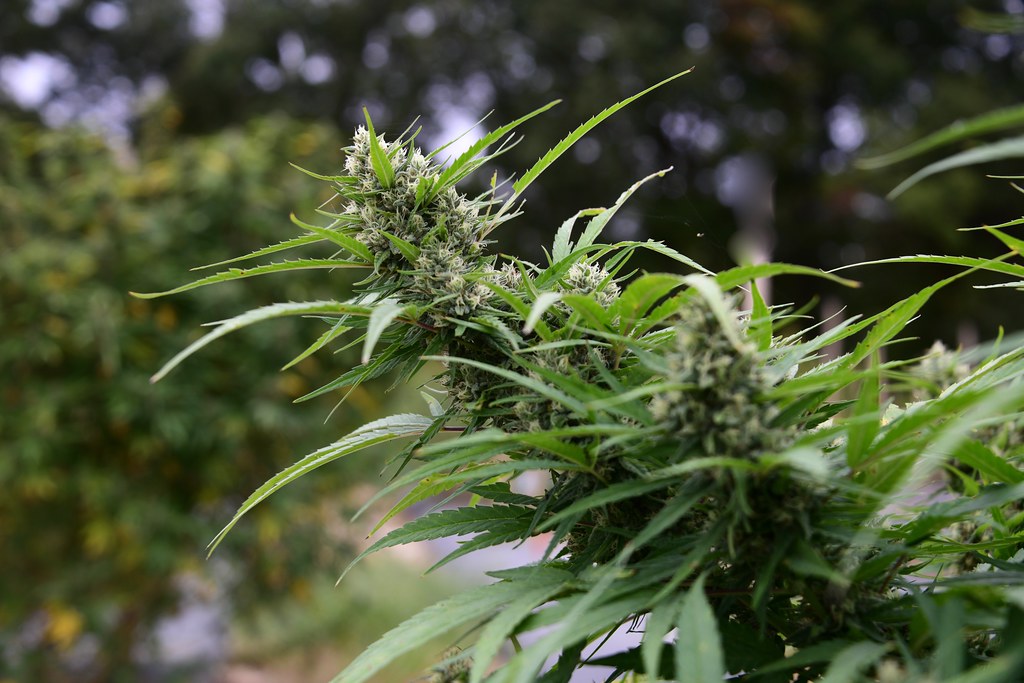
CBD stands for cannabidiol, one of over 100 naturally occurring compounds found in the cannabis plant. These compounds are known as cannabinoids.
CBD is most commonly extracted from hemp, a variety of cannabis that contains very low levels of THC (the compound responsible for the “high” associated with marijuana).
The key thing to understand is this:
CBD is non-intoxicating. It does not make you feel high, impaired, or euphoric in the way THC does.
Instead, it’s used for its potential to support balance in the body—particularly in areas like stress, sleep, recovery, and overall wellness.
Hemp vs. Marijuana: What’s the Difference?
Both hemp and marijuana come from the same plant species: Cannabis sativa. The difference lies in their chemical composition.
Hemp contains:
- High levels of CBD
- Less than 0.3% THC (in most legal definitions)
Marijuana contains:
- Higher levels of THC
- Varying amounts of CBD
This distinction matters because hemp-derived CBD products are legal in many regions (within limits), while marijuana-derived products are often more tightly regulated.
What Are Cannabinoids?
Cannabinoids are active compounds that interact with your body in unique ways. CBD is just one of many.
Some other well-known cannabinoids include:
- THC (tetrahydrocannabinol)
- CBG (cannabigerol)
- CBN (cannabinol)
- CBC (cannabichromene)
Each cannabinoid has its own properties and potential effects. Some are energizing, some relaxing, and others may support focus or recovery.
CBD is the most widely used because it offers many of these benefits without the psychoactive effects of THC.
How CBD Works in the Body
To understand CBD, you need to understand the endocannabinoid system (ECS).
The ECS is a network of receptors found throughout the body—in the brain, immune system, organs, and connective tissues. Its job is to help regulate key functions like:
- Mood
- Sleep
- Appetite
- Pain perception
- Immune response
Your body naturally produces its own cannabinoids (called endocannabinoids). CBD interacts with this system indirectly, helping support balance—also known as homeostasis.
Unlike THC, CBD doesn’t strongly bind to cannabinoid receptors. Instead, it influences them more subtly, which is why its effects are often described as gentle and supportive rather than intense.
Types of CBD: Full Spectrum, Broad Spectrum, and Isolate
Not all CBD is the same. The way it’s processed affects what compounds are included in the final product.
Full Spectrum CBD
This contains all the naturally occurring compounds from the hemp plant, including:
- CBD
- Trace amounts of THC
- Other cannabinoids
- Terpenes (aromatic compounds)
Many users prefer full spectrum products because of the “entourage effect,” where these compounds work together to enhance overall effectiveness.
Broad Spectrum CBD
Broad spectrum CBD is similar to full spectrum, but with THC removed.
It still includes multiple cannabinoids and terpenes, making it a popular choice for those who want the benefits of a full plant extract without any THC exposure.
CBD Isolate
CBD isolate is the purest form of CBD—typically 99%+ cannabidiol with everything else removed.
It’s completely THC-free and flavorless, but it lacks the additional compounds that may contribute to the entourage effect.
Common Types of CBD Products
CBD comes in a wide range of formats, each offering a different experience.
Oils and Tinctures
These are taken under the tongue for relatively fast absorption and flexible dosing. They’re often the go-to choice for beginners.
Gummies and Edibles
Easy to use and great-tasting, edibles are popular for their convenience. They take longer to kick in but tend to last longer.
Capsules
Capsules provide a consistent, pre-measured dose and feel similar to taking a daily supplement.
Topicals
Creams, balms, and lotions infused with CBD are applied directly to the skin for localized effects, often used for muscles and joints.
Vapes
Vaping CBD offers fast-acting effects, but it’s typically recommended for more experienced users.
Potential Benefits of CBD
CBD is widely used as part of a wellness routine. Research is still ongoing, and the FDA has approved only one CBD product (a prescription seizure medication), so these are user reports rather than proven effects. Commonly reported experiences include:
- Reduced stress and anxiety
- Improved sleep quality
- Relief from everyday aches and soreness
- Support for post-workout recovery
- General sense of calm and balance
It’s important to note that CBD is not a cure-all, and effects can vary from person to person.
Is CBD Safe?
CBD is widely used, but the FDA has flagged safety concerns, including possible liver injury and interactions with other medications.
However, there are a few things to keep in mind:
- Start with a low dose and increase gradually
- Check for third-party lab testing (COAs)
- Be aware of potential interactions with medications
- Consult a healthcare professional if you have underlying conditions
Quality matters a lot in the CBD space, so always choose reputable brands.
Will CBD Make You High?
No—CBD alone will not make you high.
That said, full spectrum products may contain trace amounts of THC (within legal limits). For most people, this isn’t enough to cause intoxication, but it’s something to be aware of—especially if you’re sensitive to THC or subject to drug testing.
How to Get Started with CBD
If you’re new to CBD, the best approach is simple:
Start with a low dose of a trusted product—typically an oil or gummy—and observe how your body responds over a few days. Consistency is key, as CBD often works best when taken regularly.
There’s no universal “perfect dose,” so finding what works for you may take a bit of experimentation.
Final Thoughts
CBD has earned its place in the modern wellness world for a reason. It offers a natural, non-intoxicating way to support balance in the body, with a wide range of product types to fit different lifestyles.
For beginners, the most important things are understanding the basics, choosing high-quality products, and starting slowly. From there, it’s about listening to your body and finding what works best for you.
With the right approach, CBD can become a simple, effective addition to your daily routine—whether you’re looking to relax, recover, or just feel a little more balanced day to day.